Coliform and E. coli
What do I do about bacteria in my well water?
Shallow and surface-influenced wells can take in bacteria after heavy rain, snowmelt or flooding. There is no taste or smell warning.
How you notice it
- A positive coliform or E. coli lab result
- Cloudiness after heavy rain or snowmelt
- Pit or bored well, or casing below grade
- Unexplained stomach upset in the household
Why it happens
Sand-and-gravel and shallow bedrock aquifers connect to surface water. Poor casing seals and flooded well pits are the other common route in.
The fix
- Shock-chlorinate, then retest twice two weeks apart
- UV disinfection last in the treatment train, downstream of all filtration
- 5-micron prefilter so UV gets clear water
- Fix the wellhead: extend casing above grade and seal the cap
Equipment that solves it
Recommendations are generated from Canadian regional well records. Links are affiliate links — we may earn a commission at no extra cost to you.
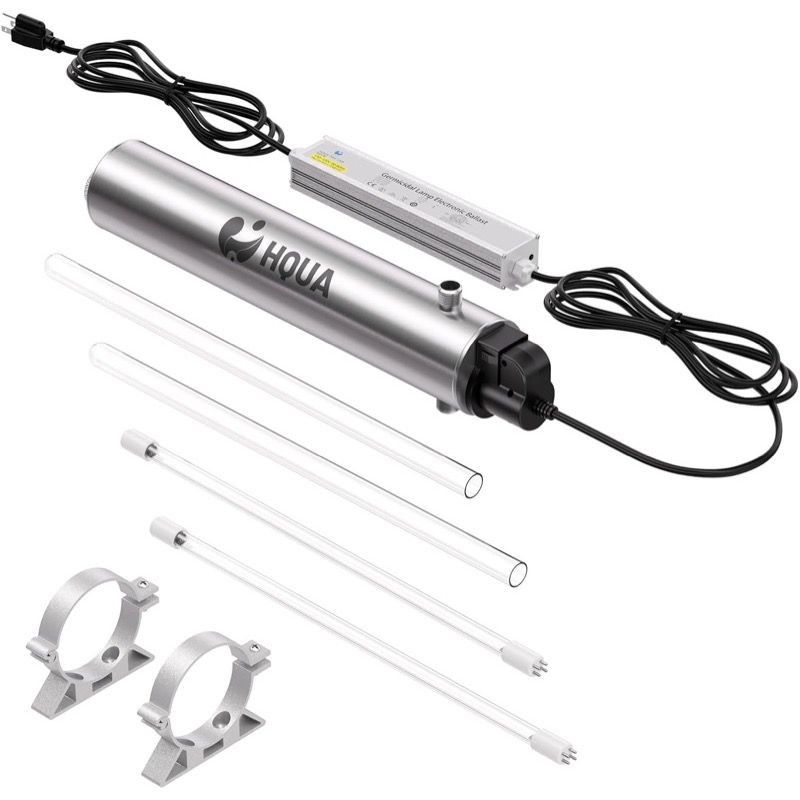
iSpring UVF55FS 12 GPM Whole-House UV Disinfection System
Inactivates coliform and E. coli without chemicals. Mandatory on surface-influenced wells.
$120/yr consumables · standard
Shop this stage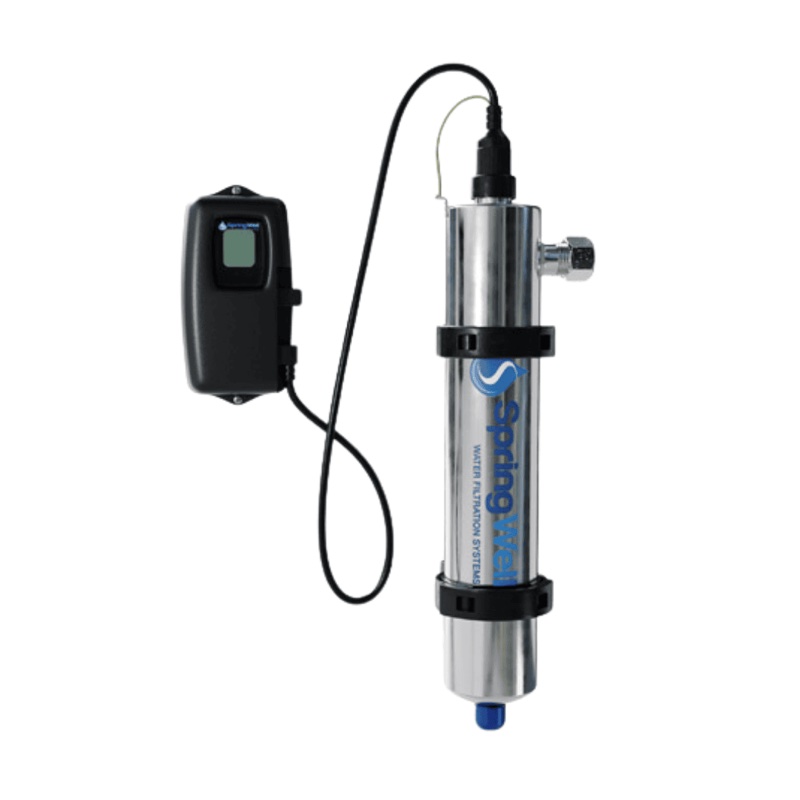
SpringWell Black Comb Monitored UV System with Solenoid Shutoff
Sensor-verified dose with automatic shutoff if intensity drops. Best practice for shallow wells.
$150/yr consumables · premium
Shop this stageWhere this is common in Canada
Regions whose modelled groundwater matches this problem.
Get a sized plan, not a guess
The builder combines your region's hardness, aquifer and depth data with your household size to size every stage and total the cost.
Build my system